A1 Staten Island Locksmith Service Team
Local locksmith team
May 19, 2026 12 min read
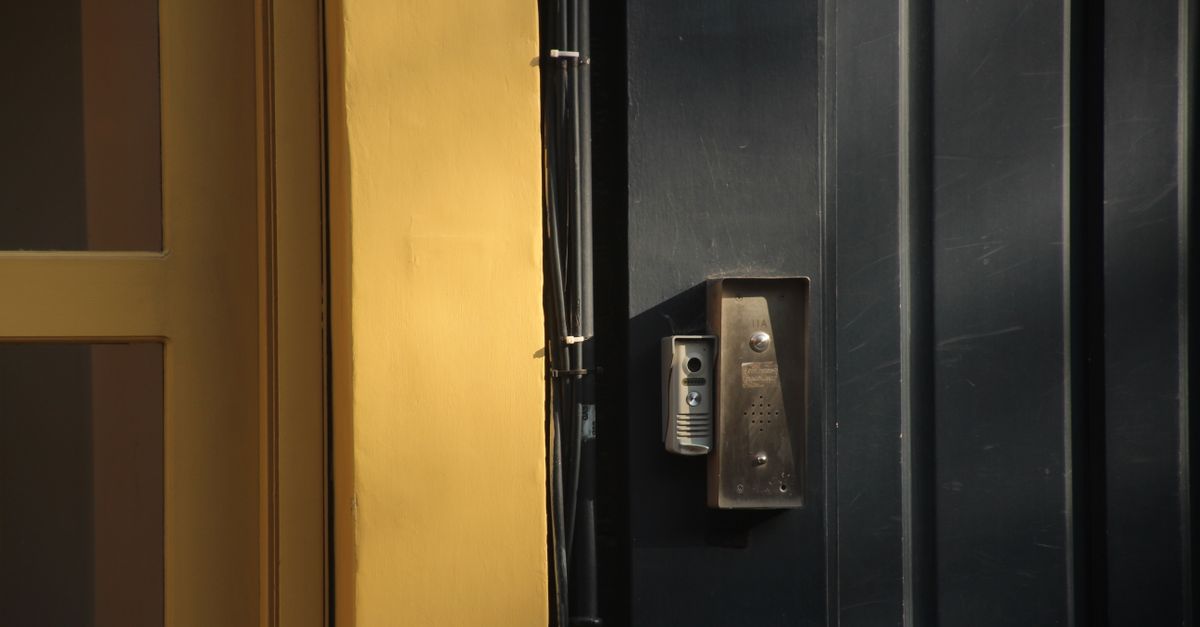
Security upgrades have a reputation for being expensive, but the truth is that some of the most effective changes you can make to a Staten Island home cost less than a dinner out in St. George. Whether you live in a two-family on Hylan Boulevard, a townhouse near Snug Harbor, or a co-op off Victory Boulevard, the fundamentals of door hardening are the same — and most of them are well within reach without calling a contractor or gutting your entryway.
This guide walks through five genuinely impactful upgrades ranked by value, covering everything from how to change a lock on a door yourself to when it makes far more sense to call a professional mortise lock specialist. Read through, take notes, and by the end you will know exactly where your money goes furthest — and when to call A1 Staten Island Locksmith at (347) 212-1262 before a problem becomes an emergency.
## Upgrade 1: Swap or Re-Key Your Door Knob Lock Before You Need To
The single most overlooked security gap in Staten Island homes is a lock that has passed through too many hands. Every time a tenant moves out, a roommate leaves, or a contractor finishes a job, the key count on your front door grows by one — and you lose track of who holds a copy. Understanding how to change a lock on a door is worthwhile for any homeowner, but the decision between a full replacement and a re-key is where real savings happen. Re-keying means a locksmith reconfigures the existing lock cylinder so that all old keys stop working and a fresh key is cut to a new pin pattern. It keeps your existing hardware, costs a fraction of a full replacement, and takes a skilled technician under fifteen minutes per lock. If your current door knob lock is solid — a reputable brand like Schlage or Kwikset in good mechanical shape — re-keying is almost always the smarter first move. Replacement makes sense when the lock itself is worn, when you are upgrading from a basic pin-tumbler to a higher-grade cylinder, or when you want a different finish to match new hardware.
One scenario that comes up constantly in Staten Island: a homeowner buys a property in Stapleton or Tottenville, changes the obvious front lock, but forgets the side door, the garage entry, or the basement. A full lock audit by a professional catches every entry point. If you have recently moved in, gone through a breakup, or simply cannot remember the last time your cylinders were changed, do not wait for a reason to regret it. Call (347) 212-1262 and our team will assess every entry point, explain exactly what each lock needs, and confirm a firm price before touching anything.
## Upgrade 2: Understand Your Mortise Lock — and Whether You Actually Have One
If you live in an older Staten Island home — particularly the prewar and mid-century stock that lines blocks in West Brighton, Westerleigh, or New Brighton — there is a good chance your front door uses a mortise lock rather than the cylindrical deadbolt most people picture. A mortise lock is a rectangular lock body that fits into a deep pocket, or mortise, cut into the door edge. It typically combines a latch bolt and a deadbolt in a single unit and is generally more robust than a standard bored cylindrical lock. Knowing what you have matters because service, measurement, and replacement are all different. A common question from homeowners doing their own research is: how do you measure a backset on a mortise lock? The backset is the distance from the edge of the door to the center of the keyhole. On a mortise lock, you measure from the face of the door edge to the center of the cylinder. Getting this wrong when ordering a replacement cylinder means the part will not fit, which is why many homeowners who start a DIY mortise lock project end up calling a professional partway through.
The good news: a skilled mortise lock technician can service, re-key, or replace a mortise lock cylinder without removing the entire lock body in most cases — a much less disruptive job than it sounds. If your mortise lock is stiff, the key turns unevenly, or you notice play in the handle trim, those are early warning signs worth addressing. Ignoring them means the lock fails at the worst possible time. Our team works on mortise lock hardware across all of Staten Island and carries common cylinder sizes in the service vehicle so most jobs wrap up in a single visit.
## Upgrade 3: Reinforce the Strike Plate — the Part Most Homeowners Ignore
You can install the best mortise lock or door knob lock money can buy and still have a door that kicks in easily if the strike plate is held in by half-inch screws biting into soft wood trim. The strike plate is the metal plate on the door frame that the deadbolt slides into. Standard builder-grade plates are thin, small, and fastened with screws so short they never reach the structural stud behind the frame. The fix is straightforward: replace the existing plate with a heavy-gauge reinforced strike plate and drive 3-inch screws through the door jamb and into the stud. This single change dramatically increases the force required to defeat the door. It is one of the highest-return physical security upgrades available and is compatible with virtually every lock type, including mortise lock setups where the strike pocket is typically larger and requires a matching faceplate.
Pair a reinforced strike plate with a quality door frame reinforcement kit — steel channel pieces that wrap the full jamb — and you have addressed the two most common points of forced entry without replacing a single lock. If you are unsure whether your current frame can support reinforcement hardware, or if the existing mortise lock pocket has been patched or repaired at some point, have a professional take a look before you start drilling. Our team handles exactly these kinds of assessments as part of a standard home security consultation.
## Upgrade 4: Add a Smart or Keypad Lock and Learn How to Change the Code
Keypad and smart locks have come down significantly in complexity and are a practical option for Staten Island homeowners who want to eliminate physical key risk without rewiring anything. The most common question after installation is how to change the code on a door lock — and the answer varies by manufacturer. On most Schlage and Kwikset keypad models, the process involves pressing a programming button on the interior side, entering a default or current code, and then inputting your new code twice to confirm. If you have a Honeywell-branded unit, how to change the code on a Honeywell door lock typically follows a similar logic: locate the learn or program button, enter the master code, and follow the prompts displayed or outlined in the manual. The key habit to build is changing access codes any time someone with temporary access — a dog walker, a contractor, a visiting family member — no longer needs it. The ability to change the code on a door lock in under two minutes is one of the real practical advantages of keypad hardware over traditional keys.
Where homeowners run into trouble is when they purchase a keypad lock and find that the door prep — the hole pattern and backset — does not match the new hardware, or when the existing door is thick, non-standard, or has a mortise lock cutout that a cylindrical keypad lock cannot fill. Before you buy, measure carefully, and if the door edge has a mortise pocket, consult with a locksmith first. We can also program and install most smart lock models as a standalone service, which means you get the convenience of keypad access without the frustration of a misfit installation. Reach out to us at (347) 212-1262 to talk through which options make sense for your specific door.
## Upgrade 5: Get to Know Your Staten Island Locksmith Before You Need One — Emergency Locksmith Services Explained
One of the most practical things a Staten Island homeowner can do is establish a relationship with a local emergency locksmith before a crisis happens. When you are locked out of your home at midnight, or when a commercial locksmith is needed for a business on Forest Avenue after a break-in attempt, that is not the moment to be searching blindly. Knowing who to call — and knowing they are insured, experienced, and already familiar with your address — removes a layer of stress from what is already a bad situation. Our team operates 24 hours a day, seven days a week, across all of Staten Island, which means whether the situation is a stripped mortise lock cylinder at 2 a.m. in Annadale or a jammed door knob lock at a multi-family property in Port Richmond, we are already on the way.
People often ask about locksmith pricing before they have ever needed a locksmith — questions like how much do locksmiths charge on average, what is a locksmith call out fee, and how much do locksmiths charge to come out are all reasonable things to want to understand ahead of time. At A1 Staten Island Locksmith, we do not believe in surprise invoices. The final quote depends on factors like the type of lock involved (a basic door knob lock versus a high-security mortise lock cylinder), the time of day, how far we are traveling, and whether specialty parts need to be sourced. What we can tell you is that we confirm an exact price before any work begins — no add-ons, no pressure. That is true whether it is a straightforward re-key or a full emergency locksmith response in the middle of the night. Call (347) 212-1262 any time — we answer 24 hours a day.
## The Full Range of Services We Bring to Your Door
A1 Staten Island Locksmith is a mobile locksmith service, which means we come to you — no need to remove hardware, drive across the island, or wait at a shop. Our services cover residential, commercial, and automotive needs across all of Staten Island. Here is a specific look at what we handle: residential mortise lock installation and repair, mortise lock cylinder re-keying, high-security deadbolt installation, door knob lock replacement, smart lock and keypad lock installation and programming, lock re-keying after move-in or tenant changeover, strike plate reinforcement and door frame assessment, master key system setup for landlords and property managers, commercial locksmith services for retail, office, and multi-unit buildings, panic bar and push bar installation and service, access control system consultation, emergency locksmith response for home lockouts, emergency locksmith response for business lockouts, car lockout service across Staten Island, automotive transponder key programming, car key duplication, lost key replacement for foreign and domestic vehicles, broken key extraction from locks and ignitions, mailbox lock replacement, garage door lock service, padlock and storage unit lock service, window lock installation, security consultation and full home lock audit, duplicate key cutting for residential and commercial properties, and lock repair for damaged or compromised entry points following a break-in attempt. If it involves a lock, a key, or a door, we handle it.
Frequently asked questions
How do you measure a backset on a mortise lock?+
The backset on a mortise lock is measured from the face of the door edge — the flat vertical surface where the door closes — to the center of the keyhole or cylinder. This is different from a cylindrical lock, where you measure from the edge to the center of the bored hole. Getting an accurate measurement is critical before ordering a replacement cylinder, because even a small discrepancy means the part will not seat correctly. If you are unsure, our team can measure and source the right component in a single visit.
How much do locksmiths charge to come out, and is there a call-out fee?+
Locksmith pricing depends on several factors: the type of lock or service involved, the time of day, travel distance, and whether specialty parts are needed. Some locksmiths charge a separate call-out or dispatch fee on top of the service cost; others fold travel into the total. At A1 Staten Island Locksmith, we confirm an exact, all-in price before any work begins so you know the full amount upfront. There are no surprise charges added after the job is done.
What is the difference between re-keying and replacing a lock, and which is right for me?+
Re-keying reconfigures the existing lock cylinder so that old keys no longer work and a new key operates the lock. It preserves your current hardware and is a practical choice when the lock itself is in good mechanical condition. Replacement is the right move when the lock is worn, damaged, outdated, or when you want to upgrade to a higher-security grade — such as moving from a basic door knob lock to a heavy-duty mortise lock. A professional assessment is the fastest way to determine which option makes sense for each entry point in your home.
How do I change the code on a door lock if I lose my current code or forget the steps?+
The process for how to change the code on a door lock varies by brand and model, but most keypad locks have a programming button on the interior side and a step-by-step sequence in the manual — typically: press the program button, enter the current or default master code, then input your new code twice. If you have lost access to the manual or forgotten the master code entirely, a locksmith can often perform a factory reset and help you re-establish access without replacing the hardware. Call us at (347) 212-1262 and we can walk through options for your specific unit.