Residential Deadbolt Installation: Choosing the Right Lock for Your Door
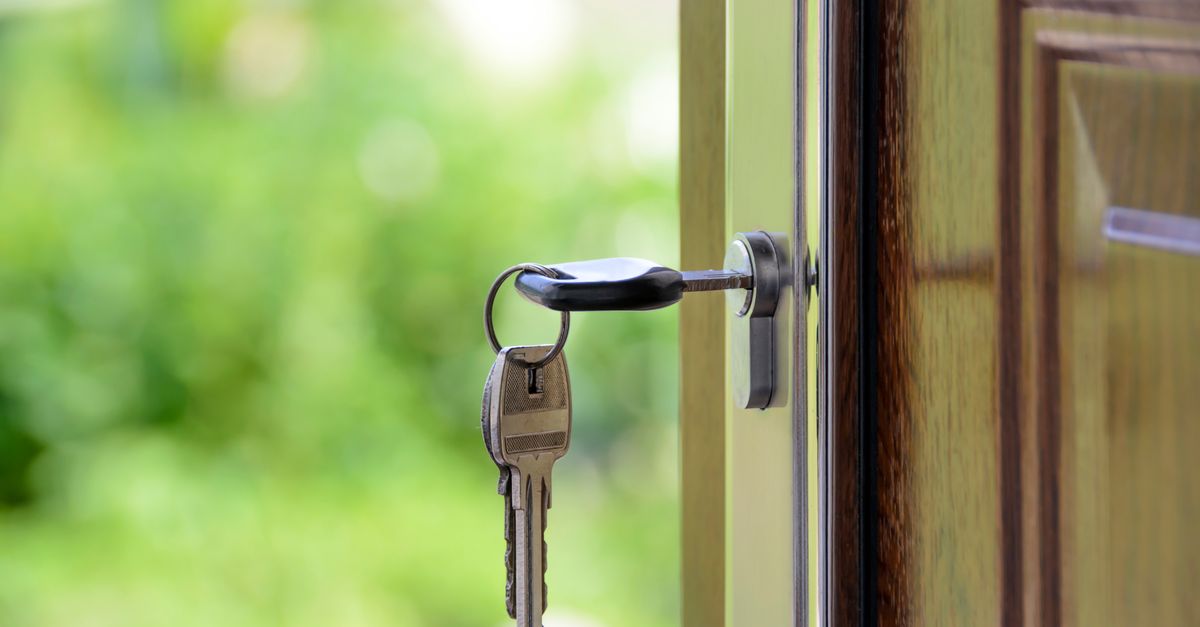
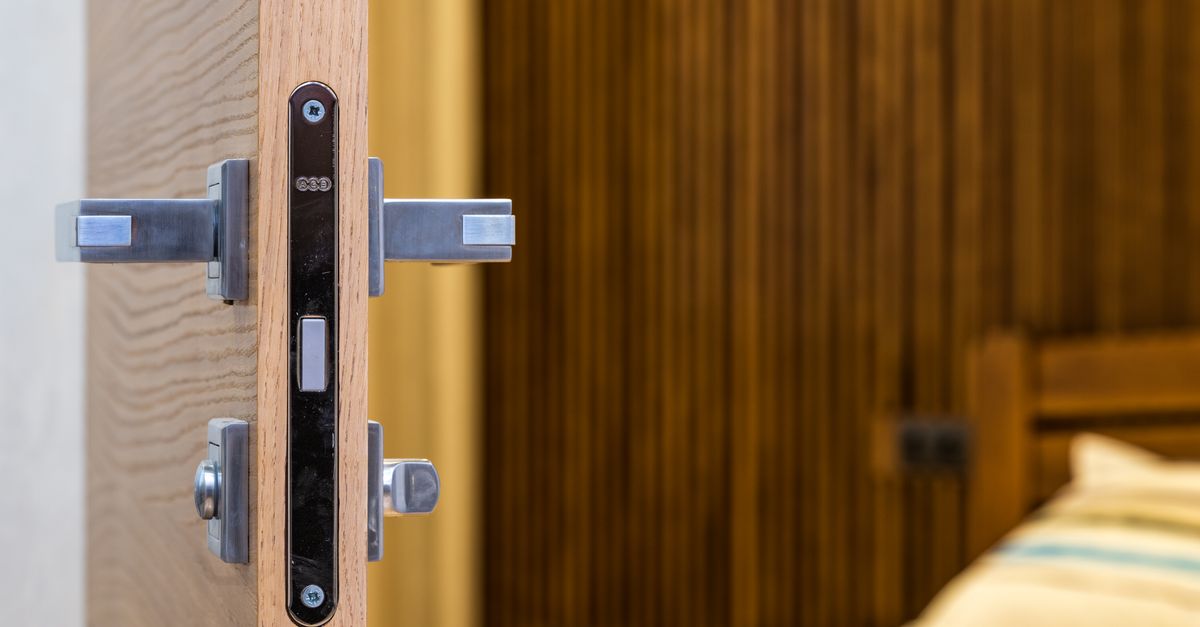
Not every door is built the same, and not every deadbolt is the right answer for every entry point. A single-cylinder deadbolt — the most common choice for Staten Island homes — uses a key on the exterior and a thumb-turn on the interior, making it ideal for solid wood or fiberglass doors without glass panels nearby. Double-cylinder versions, which require a key on both sides, are sometimes used where glass sidelights are adjacent to the lock, though they carry their own safety considerations our technicians will walk you through honestly. For older doors with deep-set frames — particularly the ornate brownstone entries you find along portions of St. George and Stapleton — a mortise lock is often the more structurally sound choice, integrating the deadbolt mechanism directly into a pocket cut into the door edge rather than sitting in a bored hole. Our team carries a full selection of Grade 1 and Grade 2 deadbolts from trusted hardware manufacturers so you leave the appointment with the lock that actually fits your door, your frame, and your lifestyle.
Jimmy-proof deadbolt installation is another option worth understanding, especially for apartment doors and rental units. A jimmy-proof deadbolt — sometimes called a rim lock — mounts on the surface of the door and interlocks with a strike plate in a way that resists prying far better than a standard bored deadbolt in a weak jamb. If you rent on the second floor of a two-family home in New Dorp or own a small multi-unit building near Forest Avenue, jimmy-proof deadbolts offer a meaningful layer of protection without requiring a full door bore. Our technicians assess the door, the frame condition, and the existing hardware before recommending any specific product, because the best lock on a damaged frame is still a weak lock.