A1 Staten Island Locksmith Service Team
Local locksmith team
May 5, 2026 10 min read
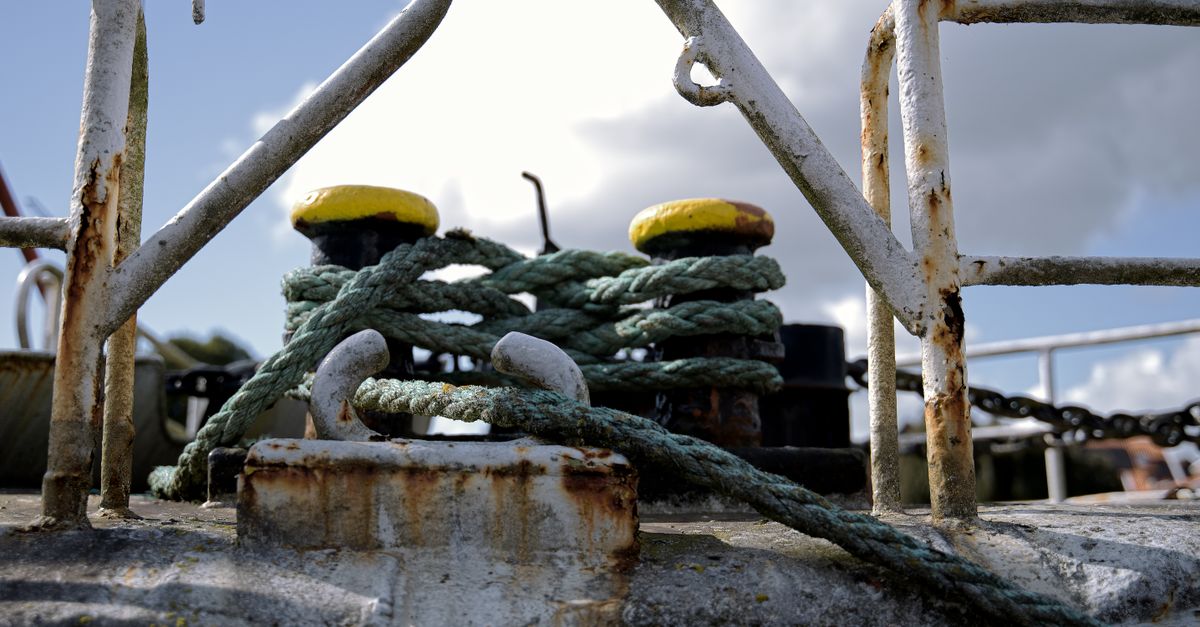
If you keep a boat at Great Kills Harbor, dock a vessel near the St. George Ferry Terminal, or simply own a waterfront storage shed along the Kill Van Kull, you already know what salt air does to metal. Hinges rust, padlocks seize, and door hardware that looked fine in the spring can be a crumbling mess by fall. For Staten Island boaters, corrosion is not a theoretical risk — it is a seasonal guarantee, and your locks and security hardware are always the first things to go.
Choosing the right marine-grade locks and hardware is not complicated, but it does require knowing what to look for, what to avoid, and when to call a professional locksmith who understands coastal conditions. This guide walks you through the materials, lock types — including the heavy-duty mortise lock — and maintenance habits that will keep your boat, dock box, and harbor building secure year after year.
## Why Salt Air Destroys Standard Locks (And What Marine-Grade Really Means)
Standard residential locks are manufactured for indoor or sheltered outdoor use. The moment they meet the combination of salt, humidity, and UV exposure that defines Staten Island's harbor environment, the clock starts ticking. Zinc die-cast bodies pit within months. Steel shackles on ordinary padlocks swell and bind. Chrome plating bubbles and flakes, exposing bare metal underneath. What looks like a security device quickly becomes a decoration — one that a firm tug or a corroded key can defeat in seconds.
Marine-grade hardware is a specific designation, not just a marketing phrase. Genuine marine-grade locks use 316 stainless steel or solid brass for all structural components, because both metals form a stable oxide layer that resists continued corrosion rather than accelerating it. Seals and gaskets keep moisture out of the locking mechanism itself. Anodized aluminum housings resist salt pitting without adding weight. When you see hardware labeled 316 SS or solid brass, those are the minimum specs worth trusting at a slip, on a dock box, or on any building within half a mile of open tidal water.
## The Mortise Lock Advantage: Why Boaters and Dock Building Owners Should Know This Hardware
A mortise lock is a lock body that fits into a precisely routed pocket — the mortise — cut into the edge of a door. Because the entire mechanism is recessed inside the door, it is far less exposed to blowing salt spray than a surface-mounted cylindrical or door knob lock. For dock storage buildings, harbormaster offices, boat club facilities, and any structure that faces tidal air, the mortise lock offers a genuine structural advantage: fewer external surfaces for corrosion to attack, a more robust latch and deadbolt geometry, and a replaceable cylinder that allows re-keying without touching the body of the lock.
For Staten Island boaters who own or manage dock buildings near the Richmond County waterfront, upgrading to a marine-compatible mortise lock is one of the highest-return security improvements available. A skilled commercial locksmith can evaluate your door thickness, frame condition, and existing hardware and recommend a stainless or brass-cylinder mortise lock rated for coastal exposure. The cylinder itself — the part that accepts the key — can be re-keyed seasonally or whenever dock access changes hands, so you are never paying for a full replacement just because a crew member left or a rental season ended. If you want to discuss whether a mortise lock is the right fit for your dock building or harborside property, call us at (347) 212-1262 and we will come to you — any time, any day.
## Choosing Hardware for Boats, Dock Boxes, and Onboard Cabins: A Practical Breakdown
The corrosion challenge differs depending on where the lock lives. On a boat cabin door, weight and vibration matter alongside salt resistance — a heavy mortise lock body is excellent for a solid dock building door but is usually overkill for a lightweight fiberglass hatch. For onboard cabins, look for marine-grade cam locks or disc-detainer locks in solid brass or 316 stainless, with no exposed steel springs. Disc-detainer mechanisms are especially suitable for marine use because they have fewer small parts that can rust together. For a door knob lock on a lightweight cabin entry, choose a version with a solid brass core and sealed internals rather than a standard residential-grade knob with a brass finish over zinc.
Dock boxes and storage lockers take the most abuse because they sit outside year-round, often below dock level where spray is constant. A shrouded or enclosed shackle padlock in hardened 316 stainless with a rubber-booted keyway is the right tool here. The shroud prevents a bolt cutter from getting clean leverage, and the boot keeps salt crystals from packing into the keyway and jamming the pins. Check that the hasp itself — the staple the padlock threads through — is also stainless or solid brass. A marine-grade padlock on a galvanized steel hasp still fails at the hasp. The entire chain of hardware has to match.
## Re-Key vs. Replacement: Making the Smart Call on Corroded Marine Locks
One of the most common questions we hear from boaters and dock building managers is whether to re-key corroded hardware or replace it entirely. The answer depends on where the corrosion is. If the lock cylinder — the keyed plug — is stiff or the key is hard to turn but the lock body and bolt mechanism still operate smoothly, re-keying or replacing just the cylinder is almost always the better move. A professional locksmith can pull the existing cylinder, inspect the pins and springs, replace any seized components, and install a new plug with a fresh key cut. For a mortise lock especially, this is a straightforward job that extends the life of a quality lock body without the cost and labor of full door hardware replacement.
If the bolt itself is frozen, the cam or latch has corroded through, or the lock body cracks when pressure is applied, replacement is the right answer. There is no value in re-keying a lock body that cannot reliably throw its bolt. When the time comes, a qualified locksmith will also assess your door frame — salt air warps wooden frames and causes steel frames to rust at the welds, which changes door alignment and can make even a new lock bind. Getting the door and frame right at the same time as the lock is what separates a lasting repair from one that fails again in six months. Are you worried about security on a budget? The good news is that re-keying is typically the most efficient path when the hardware is otherwise sound, and our team will always tell you honestly which option fits your situation before any work begins.
## Maintenance Habits That Add Years to Marine Lock Life — Plus When to Call an Emergency Locksmith
Even the best marine-grade hardware needs regular attention in a harbor environment. A quarterly routine makes a meaningful difference: rinse exposed lock surfaces with fresh water after heavy weather or saltwater spray, apply a dry PTFE lubricant or marine-grade graphite to the keyway (avoid petroleum-based oils, which attract salt crystals and gum up pin tumblers over time), and inspect shackle bores and hasp staples for the first signs of red rust or white salt crust. Catching surface oxidation early — before it migrates into the mechanism — is the difference between a five-minute maintenance task and a locked-out emergency.
And emergencies do happen, even with perfect maintenance. A lock that works fine on a Friday afternoon can seize after a weekend storm, leaving you locked out of your dock storage building on a Monday morning when you need your gear. That is exactly when having a reliable emergency locksmith on call matters. Our team serves all of Staten Island — from the marinas near Tottenville to the working waterfront along Port Richmond Avenue — 24 hours a day, 7 days a week. We come to you, whether that means a parking lot at a boat launch, a dock building, or a harborside facility. Get to know your Staten Island locksmith before you need one: save (347) 212-1262 in your phone now so the number is there when a storm-seized lock or a lost key turns into a real problem. We answer every call around the clock, confirm an exact price before touching anything, and get your access restored the right way.
Frequently asked questions
How much do locksmiths charge to come out, and is there a call-out fee for marine or dock jobs?+
Locksmith pricing is determined by several factors: the type of lock involved (a basic door knob lock costs less to service than a commercial mortise lock), the time of day you call, how far our nearest technician needs to travel, and whether any specialized parts — such as a marine-grade cylinder or stainless hardware — need to be sourced. There is no universal flat call-out fee that applies to every job. What we always do is confirm an exact, up-front price before any work begins, so there are no surprises on the bill. The best way to get an accurate figure for your specific situation is to call us at (347) 212-1262 and describe what you have — we will give you a clear quote on the spot.
Who is the cheapest locksmith on Staten Island, and should price be my main concern for marine hardware?+
We understand why cost matters, and we never pad a quote. That said, the question of who is the cheapest locksmith is less useful than the question of which locksmith will solve your problem correctly the first time. In a marine environment, an incorrectly installed cylinder or the wrong lock grade will corrode, fail, or leave a security gap within a single season — meaning you pay twice. Our team provides transparent, factor-based pricing (lock type, time, travel, and parts), confirms every number before we start, and uses hardware appropriate to the coastal conditions Staten Island actually presents. Value comes from not having to call again in three months.
Can a mortise lock be installed on an existing dock building door, or does it require a new door?+
In most cases, a mortise lock can be retrofitted into an existing door as long as the door is solid enough to accept the routed pocket and the door thickness meets the lock manufacturer's specification. A skilled locksmith will measure your door and frame before recommending a specific mortise lock body. If the frame has warped from salt air exposure or the door is hollow-core, the technician will flag that and discuss your options — which might include a heavy-duty surface-mounted deadbolt as an alternative. The assessment takes only a few minutes and happens before any cutting or installation begins.
Locked out of your dock building or boat storage unit — what should you do first?+
Start with the basics: check whether a spare key is with a marina manager, a crew member, or a trusted contact who can bring it to you. Walk around the structure and check every secured entry point — sometimes a secondary hatch or side door uses a different lock that is still operable. Do not attempt to force the lock or use improvised tools; a corroded marine lock can snap under pressure, turning a lockout into a replacement job. If no spare key is available and you have verified you own or have authorized access to the property, call an experienced emergency locksmith who can open the lock without damaging the door or frame. Our team is available around the clock at (347) 212-1262 — we will confirm your situation, give you a price up front, and come directly to your location.