Car Key Replacement by Brand — What Makes Each Vehicle Different
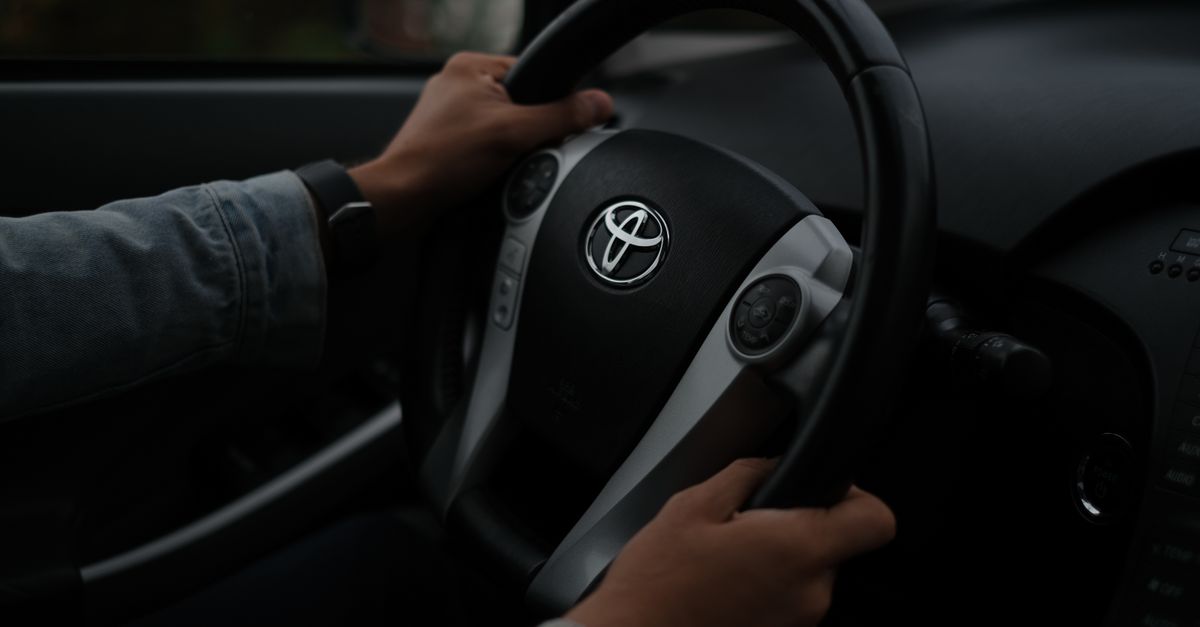
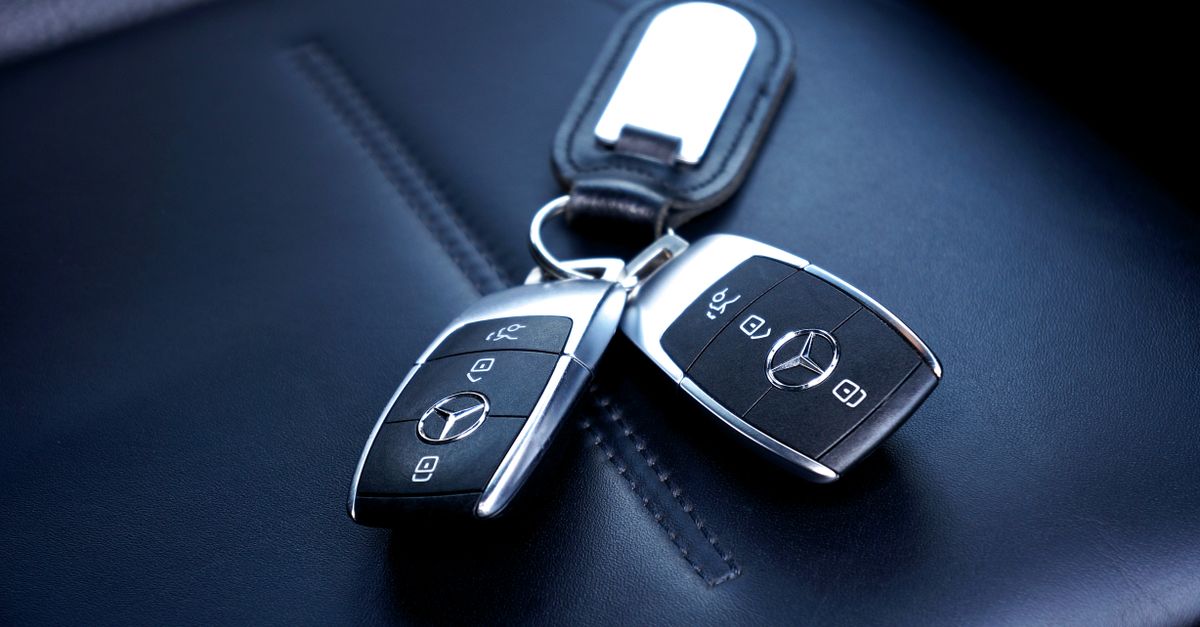
Not every key is created equal, and the process that works for a Ford F-150 will not work for a Toyota Camry or a BMW 3 Series. Domestic vehicles from Ford, Chevrolet, GMC, Chrysler, Dodge, and Jeep typically use PATS or PASSLOCK transponder systems that require the technician to interface directly with the vehicle's ECU to clone or register a new chip. Japanese makes — Toyota, Honda, Nissan, Subaru, and Hyundai/Kia — span a wide range of chip generations depending on model year, so a 2010 Civic needs a completely different approach than a 2022 one with a proximity smart key. European brands including BMW, Mercedes-Benz, Audi, and Volkswagen often use encrypted rolling-code systems and all-keys-lost procedures that demand factory-level diagnostic tools. Our technicians stay current on these differences because an incorrect programming attempt on certain platforms can lock the immobilizer and cause costly dealer intervention.
For luxury and high-security lines — Lexus, Acura, Infiniti, Cadillac, Lincoln, and Volvo — proximity keys frequently require simultaneous blade cutting on specialized code-cutting machines and RF programming sequences timed to the vehicle. Pick-up trucks popular throughout Staten Island's more suburban neighborhoods, from Annadale to Charleston, often need a blade cut on a tibbe or laser profile in addition to transponder pairing. No matter the make, our mobile units are stocked with key blank inventory and programming interfaces to handle the job on-site. Call (347) 212-1262 any time — our dispatch operates 24/7 and will match you with the nearest available technician.